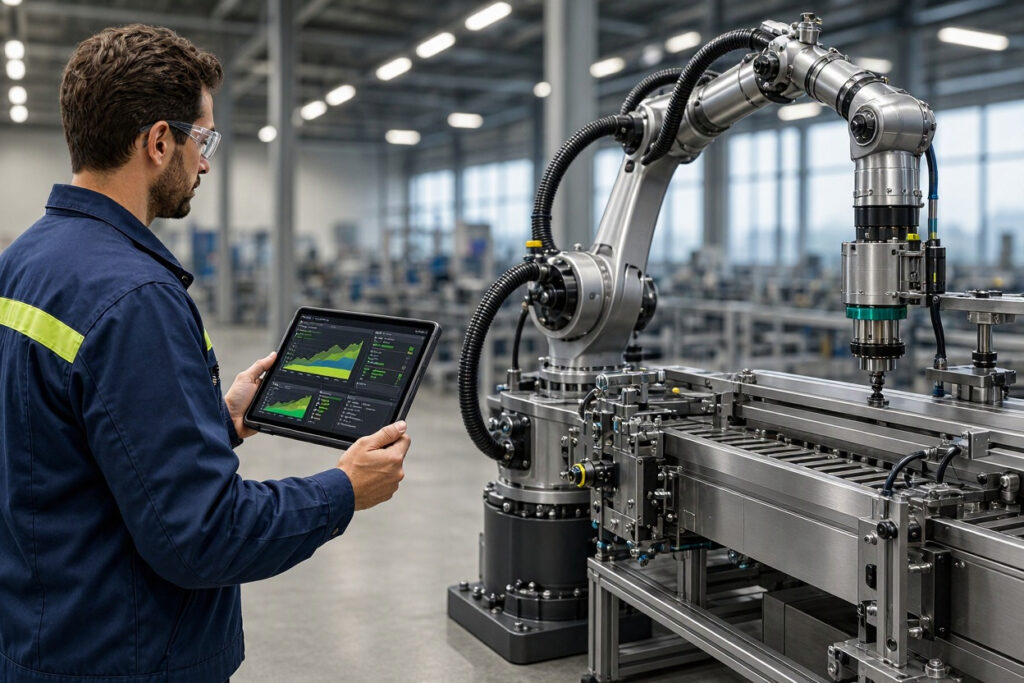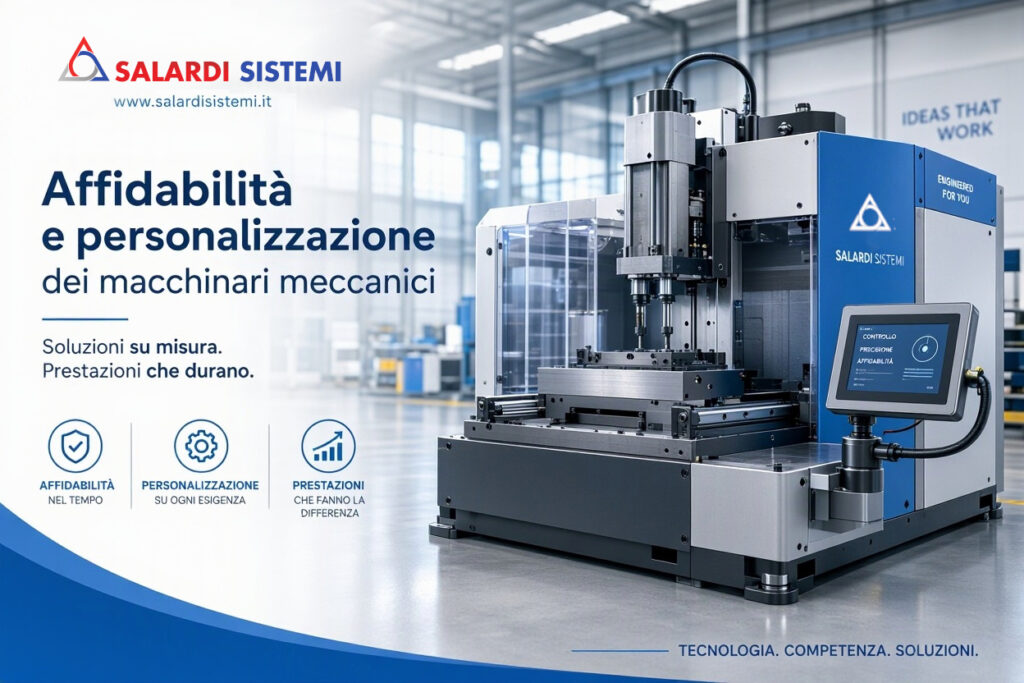
A custom-built machine arises from a specific need: a unique product, a precise production rate, limited space, a dedicated control logic, or an entirely new sector.
The more customized a machine is, the more each stage depends on the one that came before it. If the team developing the mechanical solutions is unfamiliar with the assemblies, or if those conducting the testing were not involved from the project’s inception, the risks multiply.
A complete, seamless cycle—with no weak links:
🔹Custom mechanical solutions: We begin by listening to your requirements and developing a solution tailored specifically to your machine—not just a standard model forced to fit.
🔹 Meticulously detailed assemblies: Interferences, spatial constraints, tolerances, and accessibility for maintenance are verified *before* production, not after.
🔹Testing: We support the testing phase, allowing us to address any critical issues immediately—while they are still inexpensive to fix.
🔹After-sales support: We remain available even after delivery. Those who have known the machine since its inception can resolve issues much faster.
The result: fewer risks, less downtime.
Having a single technical point of contact throughout the entire cycle means fewer handovers, fewer misunderstandings, and fewer surprises once the machine is in production.
For over 30 years, based in Modena, we have operated this way—maintaining total confidentiality for every project entrusted to us.
💡In your most recent project, at which stage did you encounter the most risk: development, assembly, testing, or support?
Let’s discuss it during a no-obligation remote call: we’ll listen to your needs and provide an honest assessment of how we can help.